Vispring vs Naturepedic: A Material-Driven Guide to Luxury and Organic Sleep Surfaces
A careful stroll through the rooms of two venerable sleep brands, where the drama of material choice—horsehair, cashmere, organic cotton, non-toxic latex—speaks to comfort, longevity, and the ethics of a good night’s rest.
Introduction: The Ground Beneath Our Dreams
In the landscape of premium bedding, a mattress is not merely a product but a negotiation: between tradition and modernity, between the sensual immediacy of touch and the quiet discipline of science. Vispring and Naturepedic occupy opposite poles of that negotiation. Vispring 고ests to the artisanal lineage of sprung systems, where the bed is a chorus of natural fills and exquisitely engineered springs. Naturepedic, by contrast, aspires to a simpler, more transparent vocabulary: organic fabrics, non-toxic cores, and certifications that promise a cleaner sleep. This material-driven comparison is less about brand loyalty and more about what the body experiences, what the sleep environment signals, and how ethical commitments are woven into the night we spend in bed.
As we examine core fills, cover fabrics, and sleep-support technologies, we’ll illuminate how these elements influence comfort, temperature regulation, longevity, and, ultimately, whether luxury and organic ideals can harmonize in a single surface. The aim is not to crown a winner, but to map the terrain so readers can decide what matters most: the tactile luxury of cashmere and horsehair, or the purity of organic cotton and non-toxic latex.
Material Highlights: The Core of Comfort
Vispring’s Cashmere Superb is case study material for a philosophy of opulence anchored in tradition. The ticking blends cashmere, silk, and viscose, sending warmth to the skin while moving moisture away to keep the surface from becoming clammy. Its upholstery sequence reads like a textile encyclopedia: blended British fleece wool and cotton for a compressible base; horsetail for springback; Shetland wool and cashhair for insulation and softness; more layers of wool, cashmere, and silk to refine the depth of feel. The core consists of two layers of hand-nested Vanadium steel calico pocket springs, delivering independent movement in a king-size bed. It’s a structure designed for quiet responsiveness, where a sleep partner’s shift feels almost inaudible, almost unseen, in a room filled with wool, cashmere, and old-world craftsmanship.
Naturepedic’s organic offerings pivot on a different logic: a non-toxic construction that foregrounds certifications and traceability. Their quilts, latex cores, and organic fabric enclosures are designed to minimize chemical exposure while maintaining durability and support. The organic ethos translates into a tactile experience—cotton that breathes, latex that responds, and a finish that feels clean rather than perfumed by synthetic additives. In this domain, the certification trail—GOTS, OEKO-TEX, and others—becomes part of the texture of trust, much like the hand-stitching on a Vispring mattress becomes part of its character.
Textures, Temperature, and Sleep Physics
The sleep surface is a thermal ecosystem. Vispring’s natural fills—cashmere, wool, horsehair—are not just about feel; they function as a system for moisture transfer and thermal zoning. Wool’s natural moisture-wicking properties, combined with cashmere’s lightweight warmth, distribute body heat more evenly and reduce microclimates that foster discomfort. The pocket-spring architecture supports a personalized contouring response, allowing the sleeper to sink into the layer above the coils without creating heat islands at the core of the bed.
Naturepedic emphasizes organic wool, latex, cotton, and known non-toxic finishes. Latex cores, often sourced without chemical blends, can offer a buoyant support that resists the kind of deep compression that a memory foam might exhibit. The absence of flame retardants and chlorinated compounds in organic cores contributes to a perception of purity, especially beneficial for sleepers with chemical sensitivities or those who value a pristine starting point for their sleep environment.
From a sleep-science vantage, the question becomes: which surface better harmonizes with individual circadian rhythms and room conditions? Temperature neutrality, humidity management, and airflow through the mattress boundary layer all play into perceived comfort. Vispring’s layered materials may feel warmer on first contact but settle into a stable warmth that many associate with luxury. Naturepedic’s organic builds tend to emphasize a crisper, more breathable surface, particularly when coupled with a well-ventilated room and appropriate bedding layered above the core.
Care, Longevity, and Ethics: Certifications as a Compass
Care routines matter as much as construction. Vispring’s materials are as much about legacy as they are about performance. The cashmere-dusted ticking and wool-insulated layers require gentle upkeep and professional attention over years to preserve loft and resilience. While the bed may outlive many wardrobes of bedding, it demands a reverent approach to maintain its sculptural silhouette and the integrity of its spring system. Regular rotation, occasional professional checkups, and careful cleaning regimes help retain the mattress’s original firmness profile and edge stability.
Naturepedic’s organic mattresses invite a different rhythm of care: straightforward cleaning, careful use of protectors, and a respect for the layers that are designed to remain free of chemical residues. Because their selling proposition rests on transparency, the maintenance of certifications—GOTS, OEKO-TEX, Made Safe, and others—becomes part of the ongoing stewardship of the product. The practical implications are clear: non-toxic materials reduce potential irritants, and a regular care routine helps sustain the surface’s integrity without complicating the consumer’s life.
Three Key Figures Across Time: Voices that Shape the Conversation
In the arch of sleep literature and textile history, certain figures illuminate the interplay between material science, craft, and human comfort. Here are three key individuals from different epochs who anchor the discussion in tangible expertise and enduring curiosity.
- Thomas Wardle (1831–1909) — A pioneer in textile dyeing and colorfastness, Wardle’s innovations helped dye and fix textiles without compromising fiber integrity. While not directly tied to mattresses, his era's confidence in natural fibers and meticulous craftsmanship laid the groundwork for later generations to imagine luxury bedding as a seamless blend of science and artistry.
- Margaret Knight (1838–1914) — An inventor who helped modernize manufacturing with practical solutions and a relentless attention to the confluence of utility and form. In the sleep realm, the Knightian spirit can be seen in the way modern mattresses balance function with tactile elegance, and in the insistence that materials should honor human health without sacrificing comfort.
- Maria Kašparová (born 1949) — A contemporary textile scientist whose work on natural fibers and Eco-conscious certification traces the arc of organic bedding into everyday practice. Kašparová represents the voice of modern textiles where academic rigor and consumer empathy converge, guiding decisions about what to trust in a sleep surface and why certifications matter to the informed sleeper.
These figures are not just footnotes in a footnote-rich industry; they are markers of a continuing conversation about how we nestle into textiles that not only cradle us but also reflect values—craft, safety, sustainability, and a quiet devotion to better rest.
Product Spotlight: Vispring Cashmere Superb
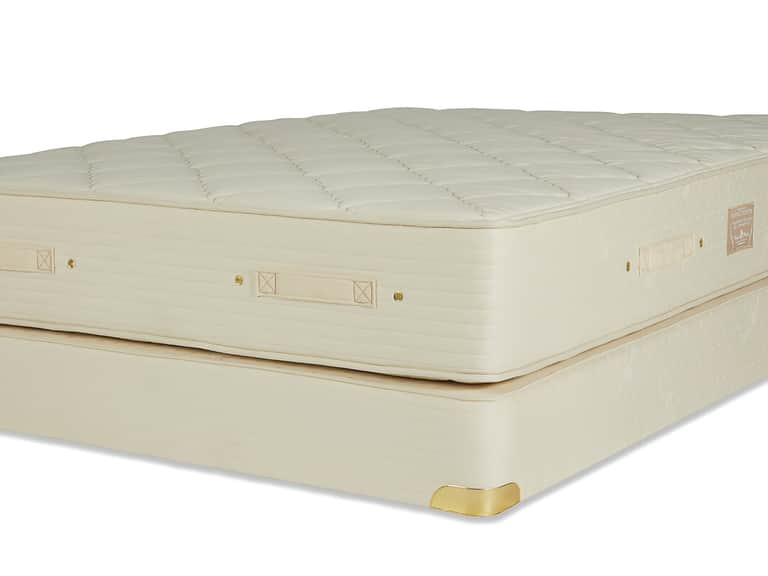
The Vispring Cashmere Superb stands as a tactile manifesto of luxury. Its cover—woven from cashmere, silk, and viscose—traps warmth where it needs it and channels moisture away, preventing that clammy sensation that can disrupt sleep. The upholstery layers unfold a choreography of natural fibers and refined textures, culminating in a spring core that responds to movement without overt noise or resistance.
The configuration—two layers of hand-nested Vanadium steel calico pocket springs totaling 2,856 on a king-size—ensures that the surface remains buoyant without sacrificing edge support. The three rows of hand side-stitching, plus hand-tied woollen tufts, preserve the bed’s depth profile from first night to year ten. It is not merely a sleeping surface; it is a statement of how luxury can be anchored in material truth.
Price
$17,100.00 (MSRP)
Key takeaways
- Hyper-luxury layering of natural fibers
- High coil count with independent movement
- Craftsmanship as a long-term investment in sleep quality
Practical Guidance: Choosing Between Luxury and Organic
If your instinct leans toward a sensorially rich surface that communicates luxury through texture and history, Vispring offers a compelling argument. The Cashmere Superb, with its cascade of natural fills and a steel-sprung core, invites a deep, almost ceremonial engagement with sleep. It rewards a calm sleep environment, careful room temperature, and bedding that respects the bed’s thermal balance rather than overshadowing it with synthetic coatings.
If your priority centers on non-toxic construction, transparency regarding materials, and verifiable certifications, Naturepedic provides a coherent path. Organic cottons, latex cores, and protective fabrics curate a sleep experience that leans into simplicity and health, rather than decorative opulence. The brand’s emphasis on certifications translates into a consumer behavior that favors documentation and traceability as part of the buying process.
For readers of Vicuna Mattress, this contrasts-and-comparisons dialogue underscores a broader truth: luxury is not only about indulgence but about the ethical and physical quality of what sustains us through the night. The best choice depends on one’s equilibrium between sensory abundance and health-minded minimalism, between the romance of heritage textiles and the clarity of organic credentials.
Glossary and Certifications: A Quick Reference
- GOTS — Global Organic Textile Standard; ensures organic status from fiber to finished textile.
- OEKO-TEX — Tests for harmful substances, providing a safety benchmark for textiles.
- Certifications in latex and foams — Look for CHOICE, Eco-Institut, or other regional eco-labels that authenticate non-toxic content.
- Spun and sprung architectures — A reminder that the core technology (coil systems vs. latex cores) largely drives motion transfer and contouring.
Closing Thoughts: The Quiet, Durable Luxury of a Good Night
In a world saturated with sleep-improvement gadgets and bravura marketing promises, the Vispring vs Naturepedic dialogue returns us to essentials: a surface that feels as right as it looks, materials that endure, and transparency that honors health as a bedfellow. The luxury of Vispring rests not solely in its materials but in its refusal to surrender to the quick fix; Naturepedic’s luxury lies in its insistence on clean air and clean conscience, with every certification a small pledge to the sleeper’s peace of mind.
Readers seeking a clear path can measure their preferences against the values they carry into the bedroom: is warmth and texture the currency of comfort, or is purity and safety the true luxury? Either way, the conversation about mattress materials remains one of the most intimate negotiations we perform—night after night, in pursuit of not just rest, but rejuvenation.