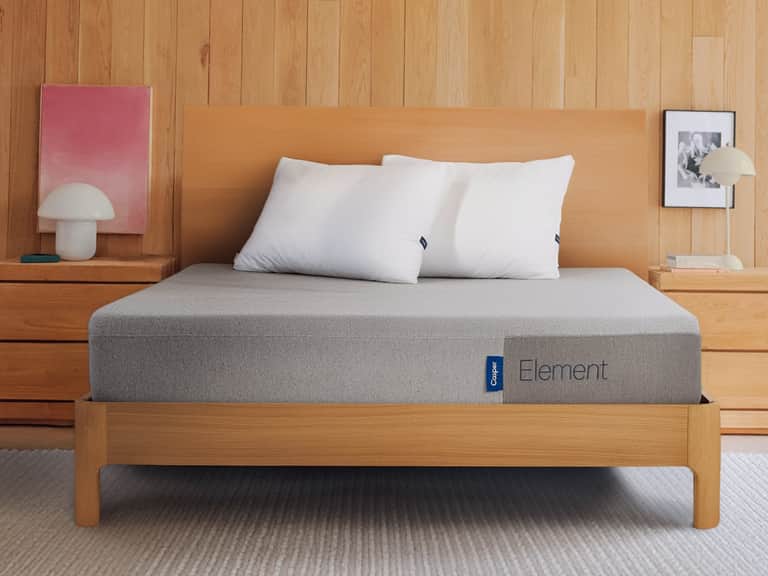
Foam mattresses are crafted from polyurethane or memory foam to provide targeted support and contouring for varying sleeping positions. They typically prioritize pressure relief, spinal alignment, and motion isolation, making them a popular choice for individuals seeking a stable surface. Understanding foam density and layering helps evaluate comfort and durability across different models, including original mattress variations.
Key features of foam mattresses include multi-layer constructions, medium to high density foams, and heat management technologies such as open-cell structures or gel-infused foams. These elements influence feel, temperature regulation, and long-term support. When selecting an original mattress, consider density ratings and the intended sleeper weight to anticipate compression and longevity.
Foam mattresses are often praised for their motion isolation, reducing disturbances from a partner’s movement. They also offer excellent edge support with well-designed perimeter coils or reinforced foam edges in hybrid-style builds. For nursery or compact rooms, compact foam options can provide appropriate support without excessive footprint while maintaining sleep surface integrity.
In terms of comfort and usability, the original mattress lineup demonstrates varied firmness levels, enabling users to match preferred sleep feel. Memory foam variants conform closely to body contours, while polyfoam layers contribute to a quicker recovery and lighter feel. Layered constructions help balance sinkage, support, and ease of movement for daily transitions.
When considering bedding accessories such as pillows or toppers, knowledge of foam mattress properties—pressure distribution, cooling capabilities, and longevity—helps in pairing with compatible bedding like latex blends, thin toppers, or breathable covers. This alignment supports overall comfort, spinal alignment, and a restful night across diverse sleeping styles and ages.
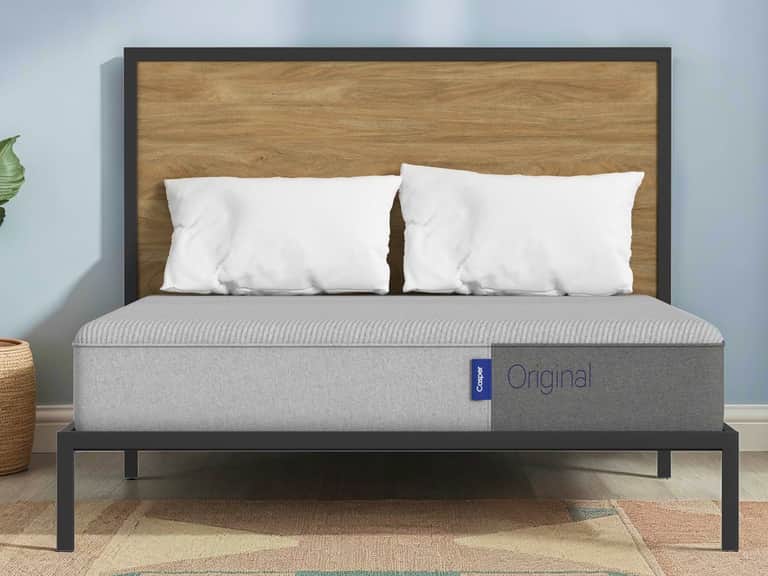 Mattresses